Multan is a historic city in southern Pakistan, located in the province of Punjab. Often called the City of Saints, it is renowned for its centuries-old Sufi shrines, rich cultural heritage, and its role as a major commercial and agricultural center in southern Punjab.
Key Landmarks
Several sites help define Multan’s identity and long history.
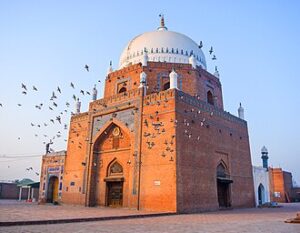
One of the city’s most important spiritual landmarks.
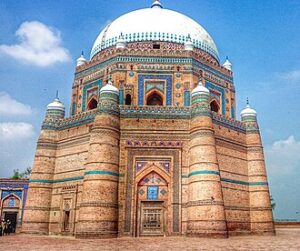
Iconic mausoleum and masterpiece of regional architecture.
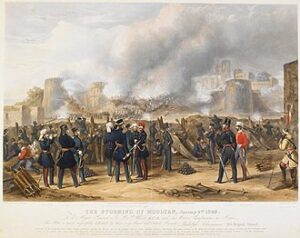
Ancient fortified site overlooking the old city.
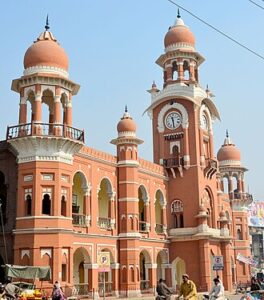
A prominent colonial-era landmark and market hub.
History and Heritage
Multan’s history spans millennia, making it one of the oldest continuously inhabited cities in South Asia. The city has been influenced by numerous civilizations, empires, and trade networks, serving as an important crossroads between Central Asia and the Indian subcontinent. Its historic core preserves layers of architectural and cultural traditions accumulated over centuries.
Culture and Economy
Sufism plays a central role in the city’s cultural identity, reflected in its shrines, festivals, and religious traditions. Multan is also famous for its distinctive blue pottery, handcrafted ceramics, embroidery, and mango production. The surrounding agricultural region contributes significantly to Pakistan’s economy through cotton, wheat, and fruit cultivation.
What Makes Multan Distinctive
The city’s reputation as the City of Saints comes from the concentration of revered Sufi shrines and scholars associated with the region. Its blend of spiritual heritage, historic architecture, traditional crafts, and agricultural importance gives Multan a character that differs markedly from many other major Pakistani cities, combining deep historical roots with its modern role as a regional economic center.
Nearby Cities and Regional Connections
Multan sits at the heart of the Saraiki region, connected by road and rail to the surrounding districts of southern Punjab. Explore: Khanewal, Muzaffargarh, Lodhran, Vehari, بہاولپور.
Present-Day Role
Multan is one of Pakistan’s largest urban centers, functioning as a major hub for trade, education, healthcare, transportation, and industry in southern Punjab. Its airport, road network, universities, and growing commercial districts support its continued importance within the country’s economic and cultural landscape.
Sources
- Wikipedia — Multan
- Wikipedia — Tomb of Shah Rukn-e-Alam
- Wikipedia — Shrine of Bahauddin Zakariya
- Wikipedia — Multan Fort
Images are used via Wikimedia Commons; click any landmark title or source link above for the original page and license details.