Vehari is a city in southern Punjab, Pakistan, on the old floodplain of the Sutlej River between Multan and the Indian border districts. A planned town of the canal-colony era, it is often called the “City of Cotton” for its central role in Pakistan’s cotton belt.
Key Landmarks
Vehari’s notable places reflect its agricultural and devotional life.
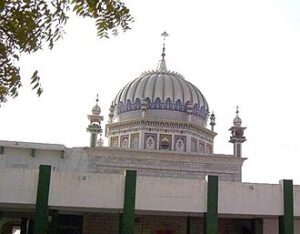
The district’s largest commercial city, known for grain markets and shrine of Baba Haji Sher Dewan.
Mailsi Siphon
Engineering landmark where the Sutlej’s waters pass beneath a canal — a highlight of the Indus Basin works.
History and Heritage
Vehari was laid out in the 20th-century canal colonies, its name derived from a word for a lowland watercourse of the Sutlej. Older towns of the district, such as Mailsi and Tibba Sultanpur, preserve links to the pre-colonial Sutlej valley.
Culture and Economy
Saraiki and Punjabi cultures blend here, with lively mandi (market) towns, shrine fairs, and folk traditions. Cotton is king — supported by maize, citrus, and dairy — making Vehari one of Pakistan’s most productive agricultural districts.
What Makes Vehari Distinctive
this is embodies the canal-colony story of southern Punjab: a young, planned city in an ancient river landscape, whose cotton markets connect village fields to national industry.
Nearby Cities and Regional Connections
This City links Multan’s orbit with the eastern Sutlej districts. Explore: ملتان, Khanewal, Lodhran, بہاولپور.
Present-Day Role
The city serves as district headquarters with strong agricultural markets, cotton ginning and textile links, growing university campuses, and road connections to Multan and the national motorway network.
Sources
Images are used via Wikimedia Commons; click any landmark title or source link above for the original page and license details.