Dera Ismail Khan, commonly called D.I. Khan, is a historic city on the west bank of the Indus River in Khyber Pakhtunkhwa, Pakistan. Though it lies outside Punjab, it is a core city of the wider Saraiki cultural region, famous for its dates, its Sohan Halwa, and its role as a crossroads between the Indus plains and the tribal highlands.
Key Landmarks
D.I. Khan’s surroundings feature great works of water and nature.

Major Indus barrage and Ramsar wetland north of the city.
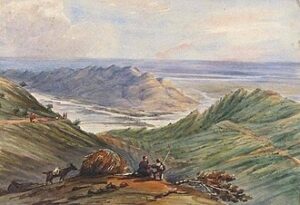
Hilltop park and colonial-era summer retreat between D.I. Khan and Bannu.
One of the oldest universities of Khyber Pakhtunkhwa, anchoring the city’s academic life.
History and Heritage
Dera Ismail Khan was founded in the late 15th century by Ismail Khan, a Baloch chief, as one of the “Derajat” settlements along the Indus. The original town was swept away by the river in the 19th century and rebuilt on its present site, growing as a trade post between Khurasan caravans and the Punjab plains.
Culture and Economy
The city is a meeting point of Saraiki and Pashtun cultures, celebrated for Dhakki dates, Sohan Halwa, lacquered woodwork, and glazed pottery. Its bazaars, shrine traditions, and Indus riverfront define daily life, while agriculture and trade dominate the economy.
What Makes Dera Ismail Khan Distinctive
Dera Ismail Khan is the Saraiki region’s western outpost — the historic Derajat city where the Indus, the Gomal caravan route, and two great cultures meet, giving it a flavor found nowhere else in Khyber Pakhtunkhwa.
Nearby Cities and Regional Connections
The city faces Bhakkar and the Punjab bank across the Indus. Explore: Bhakkar, Layyah, ڈیرہ غازی خان.
Present-Day Role
Today Dera Ismail Khan is a divisional headquarters with Gomal University, a CPEC motorway link to Islamabad, river bridges to Punjab, and a growing role as the commercial hub of southern Khyber Pakhtunkhwa.
Sources
Images are used via Wikimedia Commons; click any landmark title or source link above for the original page and license details.