Bhakkar is a city in western Punjab, Pakistan, on the east bank of the Indus at the edge of the Thal Desert. Founded by Baloch settlers in the 16th century, it is the northern gateway of the Saraiki belt, where riverine farmland gives way to the great sand sea of the Thal.
Key Landmarks
Bhakkar’s landmarks tell of desert fortresses and river crossings.
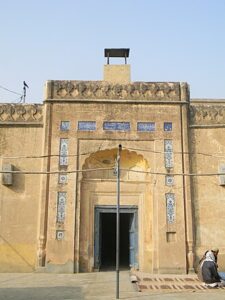
Historic Thal fortress town, once seat of a Saddozai and Sikh-era chiefdom.
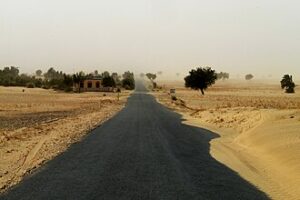
The vast desert that defines the district’s eastern half and its camel culture.
Historic Indus-bank town and crossing point toward Dera Ismail Khan.
History and Heritage
Bhakkar traces its founding to the 16th century, named for a Baloch chief, and its district history runs through the desert stronghold of Mankera, which resisted Ranjit Singh’s army in 1821. The Indus ferry towns like Darya Khan long tied it to the trans-river Dera country.
Culture and Economy
Saraiki is the language of daily life, with Thal traditions of camel rearing, folk verse, and hardy dryland farming. Gram, wheat, and livestock dominate, with new canal irrigation from the Greater Thal Canal changing the desert economy.
What Makes Bhakkar Distinctive
This is Punjab’s desert frontier on the Indus — a district of forts, dunes, and river crossings whose Mankera stronghold once ruled the whole Thal.
Nearby Cities and Regional Connections
Bhakkar faces Dera Ismail Khan across the Indus and adjoins the Thal districts. Explore: Layyah, Dera Ismail Khan, Muzaffargarh.
Present-Day Role
Today Bhakkar is a district headquarters linked by the Darya Khan bridge to D.I. Khan and by rail and road across the Thal, serving as a market center for an expanding irrigated zone.
Sources
Images are used via Wikimedia Commons; click any landmark title or source link above for the original page and license details.