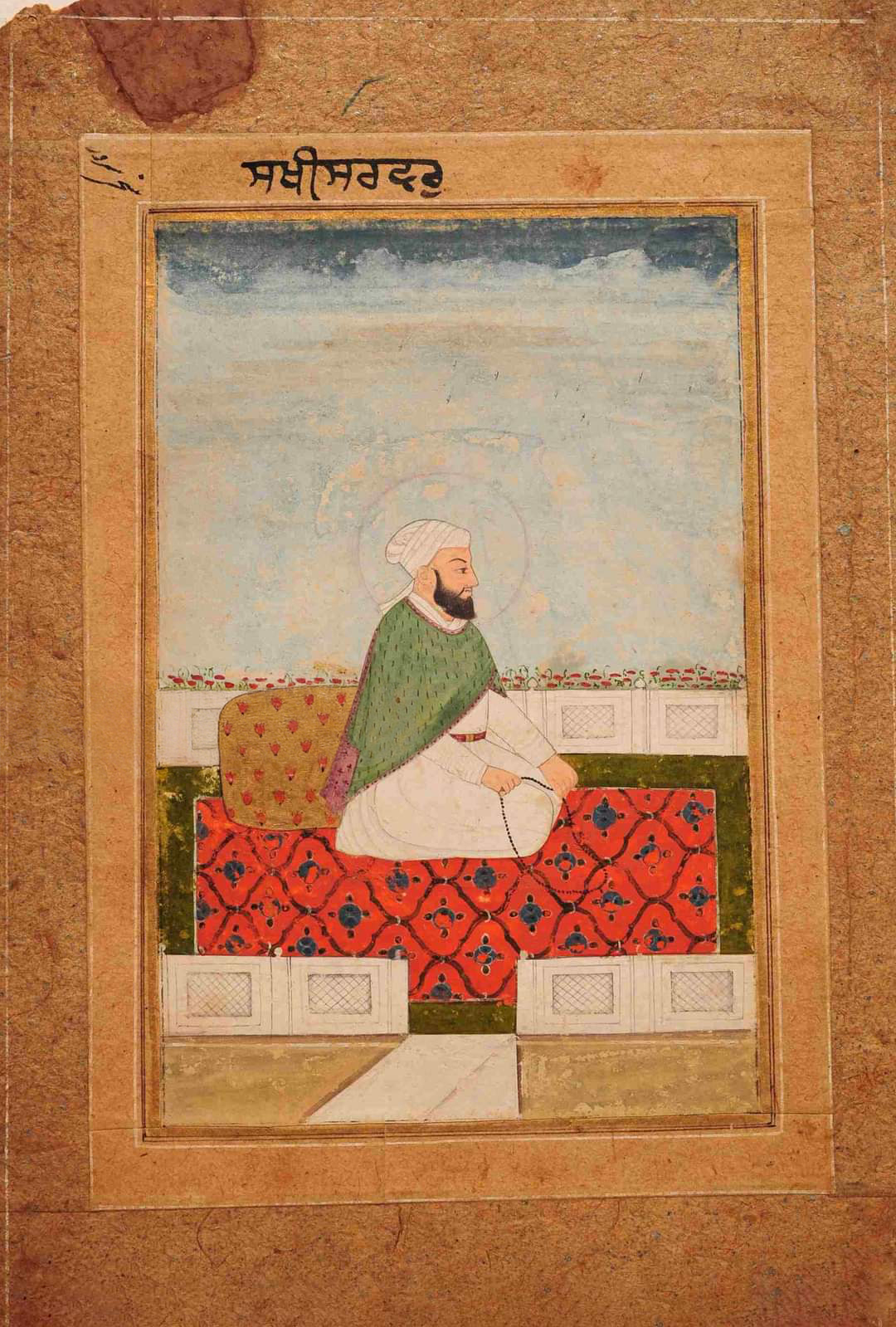
The Urs of Sakhi Sarwar is one of the oldest shrine festivals of the Saraiki Belt, held in the historic shrine town of Sakhi Sarwar in the Sulaiman foothills of Dera Ghazi Khan district.
Who Was Sakhi Sarwar?
Sayyid Ahmad, popularly known as Sakhi Sarwar (“the Generous Chief”) and Lakh Data (“giver of hundreds of thousands”), was a 12th-century Sufi saint whose following historically spread far beyond the region, across Punjab and into communities of different faiths. The town that grew around his shrine bears his name.
The Urs and Mela
The annual urs is a traditional mela: pilgrims travel in groups to the hill shrine, devotional songs are sung, langar is distributed, and the town fills with stalls and visitors. Devotional traditions associated with the shrine are centuries old and were documented by colonial-era ethnographers, making it one of the region’s most historically layered festivals. The shrine is managed by the Auqaf & Religious Affairs Department of Punjab.
When and Where
At Sakhi Sarwar town, about 35 km southwest of Dera Ghazi Khan city. The main mela is traditionally associated with spring; dates are announced by the Auqaf Department.
References
- Auqaf & Religious Affairs Department, Government of the Punjab — auqaf.punjab.gov.pk
- Sakhi Sarwar — Wikipedia — en.wikipedia.org