Saraiki culture is one of the oldest and richest cultural identities of Pakistan, rooted in the lands of South Punjab — Multan, Bahawalpur, Dera Ghazi Khan, Rahim Yar Khan and the vast Cholistan desert.
It is a blend of ancient Indus traditions, Sufi spirituality, soulful folk music, fine handicrafts and a famous tradition of warm hospitality.
A sweet Indo-Aryan language with a deep literary tradition.
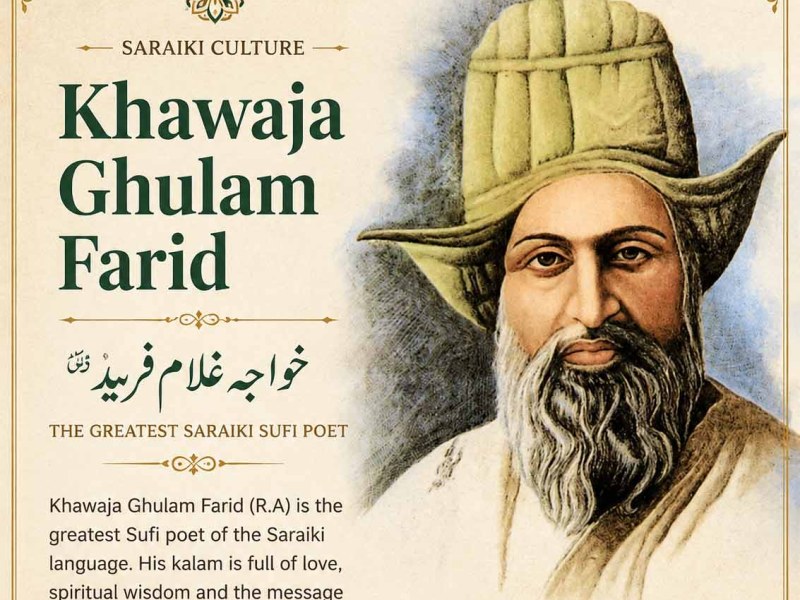
Sufi poetry of Khawaja Ghulam Farid and other masters.
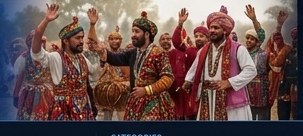
Folk music, jhumar dance and colourful festivals.
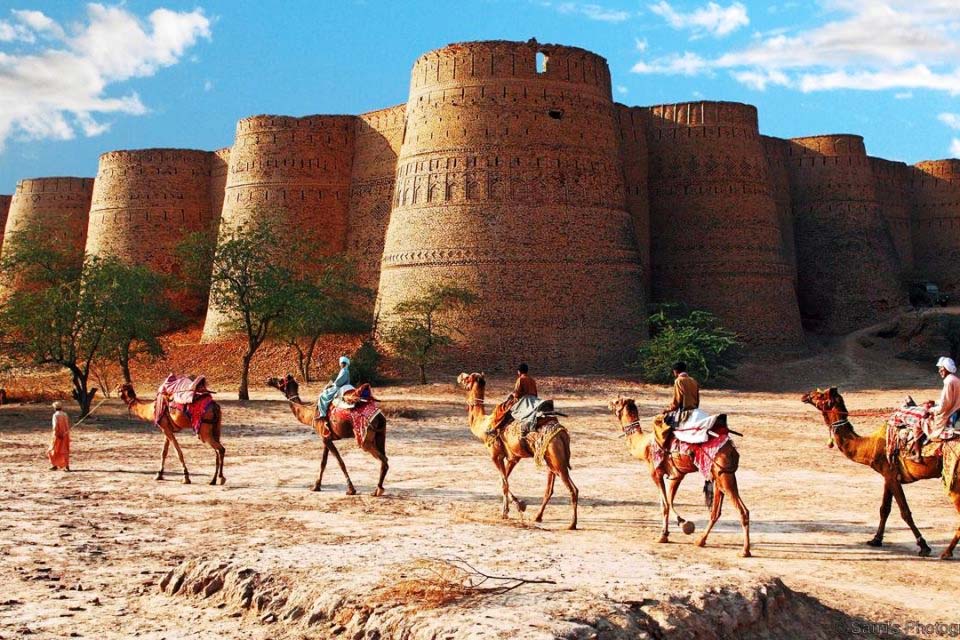
Historic forts, shrines and the golden Cholistan desert.
What We Preserve
Pillars of Our Culture
Language & Poetry
A sweet Indo-Aryan language carried by Sufi poets across generations.
Folk Music
Soulful songs on dhol, alghoza and been that echo across the plains.
Forts & Heritage
Majestic forts and shrines telling the story of thousands of years.
What is Saraiki Culture?
What is Saraiki culture? It is the living heritage of the Saraiki-speaking people of South Punjab, Pakistan — shaped by the Indus Valley Civilization, centuries of Sufi spirituality, and a poetic and musical tradition that continues to thrive today. Saraiki culture centres on the Saraiki language, the Sufi poetry of Khwaja Ghulam Farid, soulful folk music and the jhumar dance, block-printed Ajrak and handicrafts, historic cities such as Multan and Bahawalpur, and a famous tradition of hospitality (mehman nawazi).
The Saraiki homeland lies along the banks of the Indus and Sutlej rivers in southern Punjab, a region with roots reaching back to the Indus Valley Civilization. Over the centuries it absorbed waves of influence — Persian, Central Asian, Mughal and British — while retaining a distinct rural and riverine character.
The Saraiki language and cultural identity, as they are known today, took shape as a modern movement in the 1960s, when scholars and community leaders sought recognition for the Derawali, Multani and Riasti speech varieties as a language and culture in their own right, separate from the wider Punjabi identity. That movement gave the region a shared name and a renewed sense of pride in its literature, music and customs.
A Land of Sufi Saints
Multan, the region’s principal city, has been known for centuries as the “City of Saints” for its role as a center of Sufi scholarship and pilgrimage. The shrines of Bahauddin Zakariya and Shah Rukn-e-Alam still draw devotees today, and the annual Urs festivals that commemorate Sufi saints across the Saraiki belt remain among the most important gatherings in the region’s calendar.
This spiritual heritage runs through nearly every strand of Saraiki culture, most visibly in its poetry, where themes of divine love and human longing are inseparable from everyday life.
Craft, Cuisine & Hospitality
Saraiki artisans are known for the block-printed Sajarak (Ajrak) shawl, along with fine embroidery and pottery traditions passed down through generations. Hospitality, or mehman nawazi, is a deeply held value across the region, often expressed through food: Multan’s sohan halwa is famous nationwide, alongside dishes such as siri paye and lassi, and the region’s dates, mangoes and pomegranates are prized exports.
Festivals & Celebrations
Festivals are where Saraiki culture is most alive. The Cholistan Desert Festival fills the dunes around Derawar Fort with jeep rallies, camel races and folk performances each spring. The great Urs gatherings — from the Urs of Bahauddin Zakariya in Multan to the Urs of Khwaja Ghulam Farid at Kot Mithan — blend devotion with music and poetry. Lighter traditions thrive too, like the summer Multan Mango Festival. Explore them all on our Saraiki festivals page.
Saraiki Culture at a Glance
Region: South Punjab, Pakistan (the Saraiki Wasaib), along the Indus and Sutlej rivers
Language:Saraiki, an Indo-Aryan language with tens of millions of speakers
Principal cities: Multan, Bahawalpur, Dera Ghazi Khan, Rahim Yar Khan
Cultural day: 6 March — Saraiki Culture Day (Ajrak Day)
Symbols: the Ajrak shawl, jhumar dance, and the poetry of Khwaja Ghulam Farid
Known for: Sufi shrines, folk music, handicrafts, mango orchards and desert forts
A Living Culture
Saraiki culture is not a relic of the past — it is actively performed and renewed. Contemporary poets such as Shakir Shujabadi carry forward the literary tradition established by Khwaja Ghulam Farid, while singers have brought Saraiki folk music to national and international audiences. Festivals, Sufi gatherings and the annual rhythms of village life continue to sustain a culture that is, above all, a living one.
Music is the heartbeat of Saraiki culture. Folk melodies played on the alghoza, been and dhol accompany everything from harvest celebrations to Sufi gatherings, and legendary voices such as Pathanay Khan made the kafis of Khwaja Ghulam Farid famous far beyond South Punjab. The jhumar — a slow, circling dance performed to the beat of the dhol — remains the signature dance of the region, performed at weddings, festivals and Culture Day rallies alike.
Traditional dress tells the same story of identity. Men wear the Ajrak shawl and turban with pride, while women’s clothing features vibrant chunri dupattas and intricate local embroidery. On 6 March each year, streets across the Saraiki Wasaib turn indigo and crimson as millions wear Ajrak together. You can hear and see these traditions on our Saraiki folk music, videos and gallery pages.
Why Saraiki Culture Matters Today
Understanding what Saraiki culture is matters because it is one of Pakistan’s largest yet least documented cultural identities. Its language is spoken by tens of millions of people, its Sufi poetry preaches tolerance and love in an age that needs both, and its crafts and festivals support the livelihoods of artisans, musicians and farming communities across South Punjab.
SaraikiCulture.com exists for exactly this reason: to document the language, poetry, music, history, cities and festivals of the Saraiki Wasaib in one place — in English — so that students, researchers, travellers and the worldwide Saraiki diaspora can discover and share this heritage. Whether you are researching the region, planning a visit to Multan or the Cholistan desert, or simply reconnecting with your roots, we hope this website becomes your guide.
Saraiki Culture FAQ
What is Saraiki culture known for?
Saraiki culture is best known for its sweet language, the Sufi poetry of Khwaja Ghulam Farid, folk music and the jhumar dance, block-printed Ajrak shawls, Multan’s shrines and sohan halwa, and the warm hospitality of South Punjab.
Where is the Saraiki region located?
The Saraiki belt lies in South Punjab, Pakistan, along the Indus and Sutlej rivers — including Multan, Bahawalpur, Dera Ghazi Khan, Rahim Yar Khan and the Cholistan desert.
What language do Saraiki people speak?
They speak Saraiki, an Indo-Aryan language known for its soft, melodic sound and a rich literary tradition. Learn more on our Saraiki language page.
When is Saraiki Culture Day celebrated?
Saraiki Culture Day, also called Ajrak Day, is celebrated every year on 6 March across South Punjab and by the Saraiki diaspora worldwide.
×
Join Our Community
Subscribe to receive the latest Saraiki culture stories, poetry and event news.