this is a city in southern Punjab, Pakistan, situated between the Indus River and the Thal Desert. Founded in the 16th century, it serves as the headquarters of Layyah District and is known for its desert landscapes, Sufi heritage, and hardy agricultural communities.
Key Landmarks
Layyah’s notable places span shrine towns and the great Thal sands.
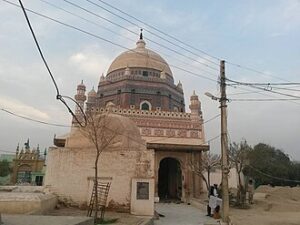
Historic town centered on the revered shrine of Lal Esan.
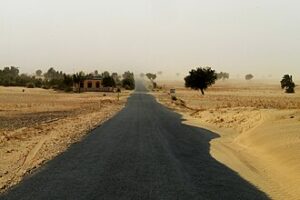
Vast desert region shaping the district’s landscape and way of life.
History and Heritage
Layyah was founded around 1550 by Kamal Khan Mirani, a descendant of Ghazi Khan of Dera Ghazi Khan, and passed through Mirani, Sikh, and British administration before becoming a district in 1982. Life here has always balanced the floodplain of the Indus against the sands of the Thal.
Culture and Economy
The district is a stronghold of Saraiki language and Sufi devotional culture, with the fairs of Karor Lal Esan drawing large gatherings. Gram (chickpea) farming in the Thal, plus wheat, sugarcane, and livestock along the Indus belt, sustain the economy, aided by Greater Thal Canal irrigation.
What Makes Layyah Distinctive
Layyah is where desert and river meet most dramatically in the Saraiki region — camel culture and dune agriculture on one side, lush riverine tracts on the other, bound together by shrine traditions and a strong literary streak.
Nearby Cities and Regional Connections
this connects the Thal region with the west-bank districts. Explore: Bhakkar, Muzaffargarh, Dera Ghazi Khan, Dera Ismail Khan.
Present-Day Role
Layyah today is a growing district headquarters with colleges, a campus culture spreading from Multan and Bhakkar, expanding canal-fed agriculture, and road links that tie the Thal to the national economy.
Sources
Images are used via Wikimedia Commons; click any landmark title or source link above for the original page and license details.