Muzaffargarh is a city in southern Punjab, Pakistan, located on the strip of land between the Chenab and Indus rivers. Its name means “Fort of Muzaffar,” after the Governor of Multan who founded it in the 18th century. The district is one of the most fertile — and most flood-shaped — areas of the Saraiki region.
Key Landmarks
Water defines Muzaffargarh, and so do its most notable sites.
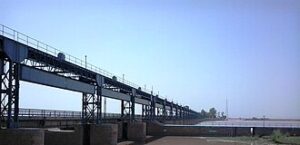
Where the five rivers of Punjab finally merge before joining the Indus.
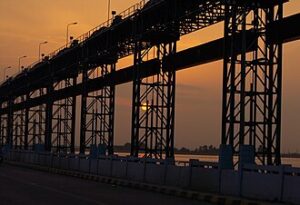
Major barrage on the Indus near Kot Addu and a Ramsar wetland site.
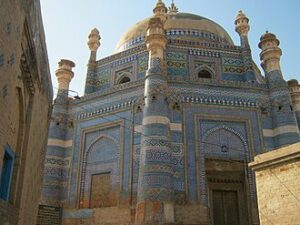
Monumental 15th-century tomb at Sitpur, a masterpiece of local brick architecture.
History and Heritage
Founded in 1794 by Nawab Muzaffar Khan, the city grew on a doab (river-island) whose history is written by the Indus and Chenab. Older sites such as Sitpur preserve the legacy of the Nahar rulers, while the canal age turned the district into a dense agricultural landscape.
Culture and Economy
Saraiki folk culture runs deep here, from Jhumar dance to shrine festivals along the riverbanks. The economy is driven by cotton, sugarcane, wheat, and mangoes, alongside a major power-generation belt at Kot Addu and Muzaffargarh thermal complexes.
What Makes Muzaffargarh Distinctive
Living between two great rivers gives Muzaffargarh both its fertility and its vulnerability — it has repeatedly rebuilt after historic floods. Its blend of riverine culture, heritage tombs, and national-scale water and power infrastructure is unlike anywhere else in Punjab.
Nearby Cities and Regional Connections
Muzaffargarh lies just across the Chenab from Multan and bridges east and west banks of the Saraiki heartland. Explore: Multan, Dera Ghazi Khan, Layyah, Rajanpur.
Present-Day Role
The city is a district headquarters on the Multan–D.G. Khan route, important for agriculture, power generation, and trade, with growing education and health facilities serving a large rural population.
Sources
- Wikipedia — Muzaffargarh
- Wikipedia — Panjnad Headworks
- Wikipedia — Taunsa Barrage
- Wikipedia — Tomb of Tahir Khan Nahar
Images are used via Wikimedia Commons; click any landmark title or source link above for the original page and license details.