Rajanpur is a city in the southwestern corner of Punjab, Pakistan, wedged between the Indus River and the Sulaiman Mountains. It is the southernmost district of Punjab and holds a special place in Saraiki culture as the resting place of the great Sufi poet Khwaja Ghulam Farid.
Key Landmarks
The district’s landmarks combine Sufi poetry’s holiest site with frontier-era fortifications.
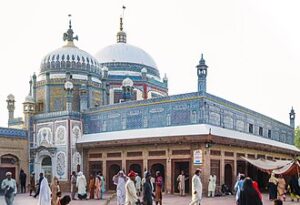
Tomb of the most beloved Saraiki Sufi poet, at Kot Mithan near the Indus.
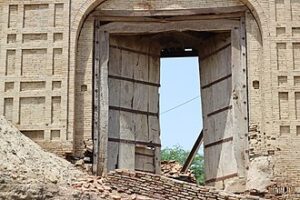
Historic fort at the foot of the Sulaiman range guarding old routes to Balochistan.
History and Heritage
Rajanpur was founded in the 18th century by Makhdoom Sheikh Rajan Shah and developed as a frontier district where the settled Indus plains met Baloch tribal territory. Kot Mithan and the old town of Mithankot were long important river ports on the Indus trade route.
Culture and Economy
This is the spiritual home of Saraiki poetry: Khwaja Ghulam Farid’s kafis are sung across Pakistan, and his urs draws huge gatherings. The economy rests on agriculture along the Indus, livestock in the tribal belt, and dates, cotton, and wheat.
What Makes Rajanpur Distinctive
No district is more closely tied to the soul of Saraiki literature. Rajanpur’s mix of riverine shrine culture, Baloch tribal tradition, and rugged Sulaiman landscapes makes it the poetic and geographic frontier of Punjab.
Nearby Cities and Regional Connections
Rajanpur runs along the west bank of the Indus at Punjab’s southern tip. Explore: ڈیرہ غازی خان, رحیم یار خان, Muzaffargarh.
Present-Day Role
Rajanpur is a district headquarters on the Indus Highway with growing road links, agricultural markets, and cultural tourism centered on Kot Mithan and the annual urs of Khwaja Farid.
Sources
Images are used via Wikimedia Commons; click any landmark title or source link above for the original page and license details.